
 By
By 
File-name: clock-currency
Alt-text: an alarm clock surrounded by currency
As digital assets continue to reshape the financial landscape, understanding the complex legal environment surrounding them is crucial for investors and businesses alike. This blog discusses the U.S. regulatory developments that are shaping the future of digital currencies, tokens, and other blockchain-based assets. From federal legislative efforts to state-level actions and enforcement updates, we explore the key changes and challenges that define this dynamic sector, providing essential insights for navigating these waters safely and effectively.
U.S. Regulatory Developments
The landscape of U.S. regulation for digital assets has seen significant developments aimed at refining the legal framework and ensuring more robust consumer protection, market integrity, and financial stability.
Legislative Advances
Recent legislative initiatives illustrate a proactive approach to digital asset regulation. Key among these are the Responsible Financial Innovation Act and the Digital Commodities Consumer Protection Act, which seek to clarify the roles of the Commodity Futures Trading Commission (CFTC) and the Securities and Exchange Commission (SEC) in overseeing digital assets. These bills aim to provide the CFTC with more comprehensive authority over digital commodity trading while maintaining the SEC’s jurisdiction over digital assets that qualify as securities. This legislative effort includes the implementation of know-your-customer rules and measures against illegal activities such as money laundering.
Executive Orders and Strategic Frameworks
In response to the rapid growth of digital assets, the Biden administration issued an Executive Order in March 2022 outlining a comprehensive government strategy. This strategy focuses on consumer protection, financial stability, and the mitigation of national security risks. It aims to maintain U.S. leadership in global financial systems and technological innovation, promoting responsible innovation while addressing significant risks associated with digital assets.

File-name: wallet-coins
Alt-text: a wallet on top of coins
Regulatory Actions and Proposals
The SEC and CFTC have continued their regulatory oversight with increased enforcement actions and proposals for new regulations. Notably, after the collapse of FTX, these agencies have been actively involved in prosecuting fraudulent activities related to digital asset transactions, highlighting the need for greater transparency and accountability in the digital asset space.
State-Level Developments
At the state level, significant variations in regulatory approaches remain, with states like California requiring digital asset firms to obtain specific licenses. This showcases a trend towards more stringent state-specific regulations that complement federal initiatives.
AML and Compliance Adjustments
Compliance with anti-money laundering standards continues to be a critical focus for U.S. regulators. Amendments to the Bank Secrecy Act (BSA) and the introduction of more rigorous AML protocols underscore the government’s commitment to preventing financial crimes in the digital asset space. These changes emphasize the need for digital asset companies to implement comprehensive compliance programs.

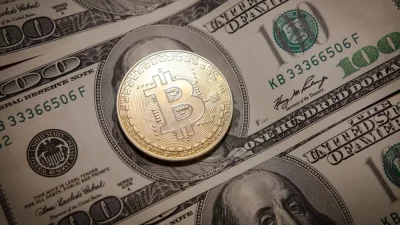
File-name: cryptocurrency
Alt-text: a golden bitcoin cryptocurrency
The regulatory landscape for digital assets in the U.S. is poised for further evolution. Ongoing legislative efforts, combined with executive strategies and regulatory updates, suggest a trajectory towards more defined and robust regulatory frameworks. These developments are crucial for stakeholders in the digital asset market to monitor as they can significantly impact operational and compliance requirements.
Global Regulatory Variance
Internationally, the regulatory landscape remains a patchwork. Countries like the UK and Canada have developed specific regulations that encourage innovation while aiming to protect investors and the integrity of the financial system. The UK has incorporated crypto-assets into its Financial Services and Markets Act 2023, aiming for a more regulated environment. Meanwhile, Canada supports fintech innovations through its Regulatory Sandbox, allowing crypto asset trading platforms to operate under certain conditions.
In Asia, jurisdictions such as Hong Kong are positioning themselves as global hubs for virtual assets by implementing comprehensive regulatory frameworks that integrate existing financial systems with new digital asset regulations.
The Impact of Enforcement Actions
Enforcement actions have significantly influenced the regulatory framework for digital assets. High-profile cases, such as the SEC’s actions against individuals and entities involved in misleading ICOs, underscore the importance of compliance with disclosure requirements and anti-fraud provisions. These cases also help clarify the definitions and expectations surrounding digital assets, contributing to legal precedents that shape the regulatory outlook.
Mitigating Risks through Compliance
Businesses involved in digital assets must navigate these regulations carefully to mitigate risks. This involves understanding the specific requirements and frameworks of each jurisdiction in which they operate. Companies must also be vigilant about the implications of new laws and regulations that could affect their business models, especially those related to anti-money laundering and the prevention of illicit finance.
The digital asset ecosystem is dynamic and requires that investors and businesses stay informed and compliant with an increasingly complex regulatory landscape. As this field continues to evolve, the interplay between innovation and regulation will likely remain a central theme.
Explore Blockchain Innovation with Kenson Investments
Trust Kenson Investments for your digital asset management. Their digital asset specialists are committed to providing support for your digital asset journey. With Kenson Investments, experience dedication to transparency and strategic management, ensuring your venture into digital assets is handled with integrity and innovation.
Contact them to further your digital asset strategy with a firm that’s here to stay!
About the Author
Henry D. Bowen is a seasoned financial journalist with over a decade of experience covering economic trends and regulatory changes. Specializing in digital assets and blockchain technology, Henry provides deep insights into the complexities of cryptocurrency markets and the evolving legal landscape surrounding them. His work has been featured in prominent financial publications where he consistently delivers well-researched, accessible analyses. Henry holds a degree in Economics from Columbia University and is a frequent speaker at industry conferences, offering expert commentary on financial innovation and its impacts on global markets.




Comments