
 By
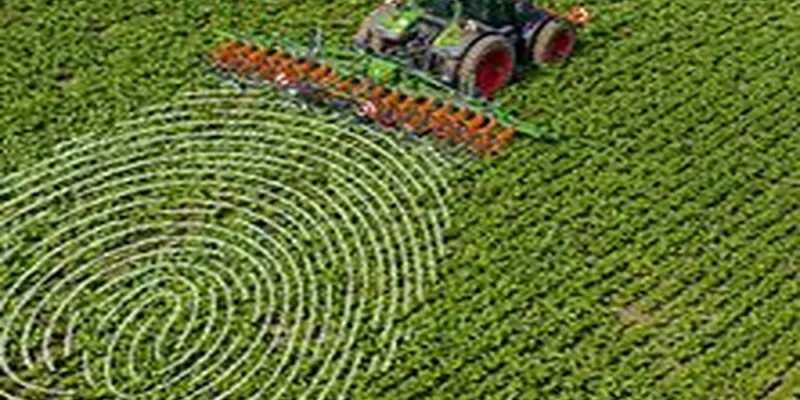
Financial planning and agricultural output can both be greatly impacted by the timing of farm equipment purchases. Purchasing equipment without taking the farming calendar into account could lead to equipment arriving after a crucial activity has already started or sitting idle for extended periods of time. Farmers can better manage their budget, plan for future workloads, and guarantee that necessary equipment is available when needed by tying equipment purchases to seasonal activities.
Securing proper agricultural equipment financing well ahead of seasonal peak demand ensures that you can acquire necessary machinery without straining cash flow, giving your operation ample time for delivery, setup, and operator training before fieldwork begins.
2. IDENTIFY UPCOMING FARM ACTIVITIES
Examining the agricultural calendar and determining the primary chores planned for the upcoming months is the first step. Different equipment may be needed for land preparation, planting, irrigation, crop protection, harvesting, and transportation. Farmers can decide which equipment needs to be acquired initially, and which items can wait until later by knowing when these activities will occur.
3. ASSESS EXISTING MACHINERY
Farmers should assess the functionality and state of their existing equipment before making any new purchases. Instead of needing a full replacement, a tractor or other tool can just need maintenance, new parts, or a little repair. An existing machine’s ability to handle the anticipated workload can be determined by looking at maintenance records and recent performance. This evaluation can save needless purchases.
4. PLAN PURCHASES BEFORE PEAK DEMAND
Waiting until the peak of the season to purchase equipment can be challenging. Delivery and setup can be time-consuming, and popular machinery may not be readily available. Ideally, farmers should start looking into and buying essential equipment well in advance of the time when it will be needed. Preparing ahead of time gives you more time to compare models, set up financing, and finish installation or operator training.
5. MATCH EQUIPMENT TO ACTUAL WORK
Equipment should be chosen based on the farm’s individual needs rather than just selecting the largest or most advanced alternative. Field size, crop kind, soil conditions, accessible storage space, and existing implements are all factors that farmers should consider. Because a new machine should, whenever feasible, function well with current equipment, compatibility is especially crucial.
6. CONSIDER SEASONAL CASH FLOW
The revenue and costs associated with agriculture may fluctuate throughout the year. Purchases of equipment should consequently be scheduled according to anticipated cash availability. Crop income timing can be compared to loan repayments, operating costs, and other seasonal obligations for farmers. Financing or leasing options may assist spread the expense when appropriate, but before moving forward, it is important to understand the entire financial commitment.
7. CONCLUSION
Farmers can link investment decisions with real operational needs by scheduling equipment purchases around the crop season. Equipment investment can be made more realistic by reviewing forthcoming operations, evaluating current machinery, taking cash flow into account, comparing purchase possibilities, and allotting enough time for preparation. In addition to cutting down on wasteful spending, careful planning may guarantee that the appropriate equipment is available at the start of each stage of the farming cycle.




Comments